
Comparing Modern Hearing Aid Styles and Their Benefits
Choosing hearing aids involves more than finding a device that helps you hear better. Today’s technology offers several styles, each with its own design, features, and practical advantages. Understanding the benefits of modern hearing aids can help you compare your options and prepare for a conversation with an audiologist. If you’re exploring hearing care, knowing what separates the different styles is a useful place to start.
Understanding Today’s Hearing Aid Styles
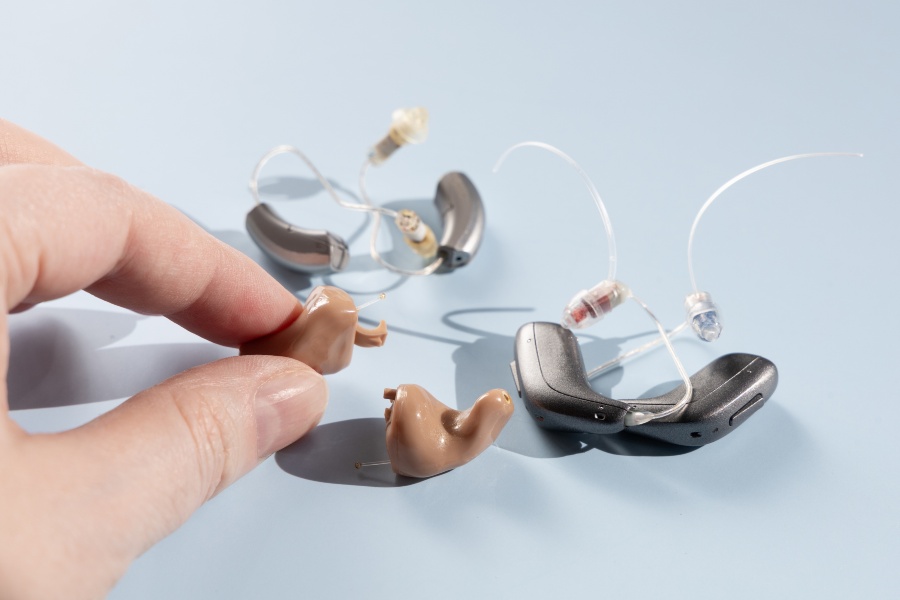
Modern hearing aids come in several shapes and sizes, from compact devices that sit inside the ear canal to models worn behind the ear. The right fit depends on factors such as your hearing loss, comfort preferences, dexterity, lifestyle, and desired features.
When looking at the difference in hearing aids, it’s helpful to consider both how a device fits and what it can do. A smaller hearing aid may be less noticeable, while a larger model may offer easier handling or space for additional features. No single style is right for everyone.
Receiver-in-Canal (RIC) Hearing Aids
Receiver-in-canal, or RIC, hearing aids are among the commonly chosen styles. They have a small housing that sits behind the ear, with a thin wire connecting it to a receiver positioned in the ear canal.
RIC devices are often lightweight and discreet. Their design can accommodate different levels of hearing loss, depending on the model and receiver. Many also offer Bluetooth connectivity, rechargeable batteries, and app-based controls.
Because the receiver sits in the ear canal, RIC hearing aids may provide a comfortable fit without fully blocking the ear. However, the receiver and wire require regular care, and the best configuration depends on your hearing needs.
Behind-the-Ear (BTE) Hearing Aids
Behind-the-ear hearing aids house most of their components in a case that rests behind the ear. Sound travels through tubing to an earmold or earpiece inside the ear.
BTE models are available in different sizes and power levels, including options designed for more significant hearing loss. Their larger housings can make them easier for some people to handle, clean, and adjust. Depending on the model, they may also offer rechargeable batteries and wireless connectivity. While BTE hearing aids are generally more visible than smaller in-ear styles, they can be a practical option for people who prioritize ease of handling, durability, or additional amplification.
In-the-Ear (ITE) Hearing Aids
In-the-ear hearing aids are custom-made to fit within the outer portion of the ear. Since the device’s components are contained in a single shell, there are no wires or separate housings behind the ear.
ITE hearing aids are available in different sizes, and some models include features such as volume controls, directional microphones, or wireless connectivity. Their custom fit can make them convenient for people who prefer an all-in-one design.
The size of the device affects which features can be included. Smaller ITE models may have fewer controls or shorter battery life than larger styles, so it’s worth discussing practical needs before choosing one.
Invisible-in-Canal (IIC) & Completely-in-Canal (CIC) Hearing Aids
IIC and CIC hearing aids are designed to sit deep inside the ear canal. Their small size makes them less noticeable than many other styles, which can appeal to people who prefer a discreet appearance.
These devices may work well for people with certain types and degrees of hearing loss. However, their compact design can make them more challenging to insert, remove, and handle. They may also have limited space for larger batteries, wireless features, or physical controls.
Not everyone is a candidate for IIC or CIC hearing aids. Ear canal shape, hearing needs, and personal dexterity all influence whether these styles are suitable.
Advanced Features Available in Modern Hearing Aids
The hearing aid design landscape has changed considerably, with many models offering features beyond basic amplification. Depending on the device, these may include Bluetooth streaming, rechargeable batteries, automatic adjustments for different listening environments, and smartphone app controls.
Some hearing aids use directional microphones and noise-management features to help users focus on conversations in challenging environments. Others offer tinnitus-support features or remote adjustments through a hearing care provider. Not every feature is available in every style or model. Comparing what each device actually offers can help you focus on the technology you’ll use most.
How Lifestyle Influences Hearing Aid Choice
Your daily routine can help narrow down the available options. Someone who frequently takes phone calls may value Bluetooth streaming, while a person who spends time in busy social settings may want features designed to support listening in background noise.
There are several factors to consider when comparing hearing aids, including comfort, visibility, battery preferences, ease of cleaning, and how easily you can operate the controls. Your budget and maintenance preferences matter, too.
Think about the situations where hearing is most challenging. Sharing those details with your audiologist can help guide the discussion toward styles and features that fit your everyday life.
How an Audiologist Helps You Choose the Right Hearing Aid
An audiologist can evaluate your hearing, discuss your concerns, and explain which styles may suit your needs. The selection process should account for more than appearance or technology. Hearing test results, ear anatomy, comfort, and your communication goals all matter.
At Castle Rock Ear Associates, an appointment can help you understand the available options and what to expect from different hearing aid styles. An audiologist can also explain fitting, follow-up care, and adjustments that may be needed as you get used to your devices.
Schedule Your Hearing Aid Consultation
The right hearing aid style should support your hearing needs, comfort, and daily routine. Modern hearing aids offer a range of designs and features, but choosing between them is easier with guidance tailored to your hearing. If you’re considering hearing aids in Castle Rock, CO, schedule a consultation with Castle Rock Ear Associates to discuss your options and find a style that fits your needs.