
Common Causes of Ear Pain in Adults
Frequent Causes of Ear Pain in Adults
Whether it’s a dull ache that’s been building for days or a sudden, sharp sensation that stops you mid-sentence, pain in the ear is something most people want solved quickly. At Castle Rock Ear Associates, we help patients understand what’s driving their discomfort and what to do about it. The answer isn’t always straightforward, as ear pain has a surprisingly long list of potential causes, some originating in the ear itself and others rooted somewhere else entirely.
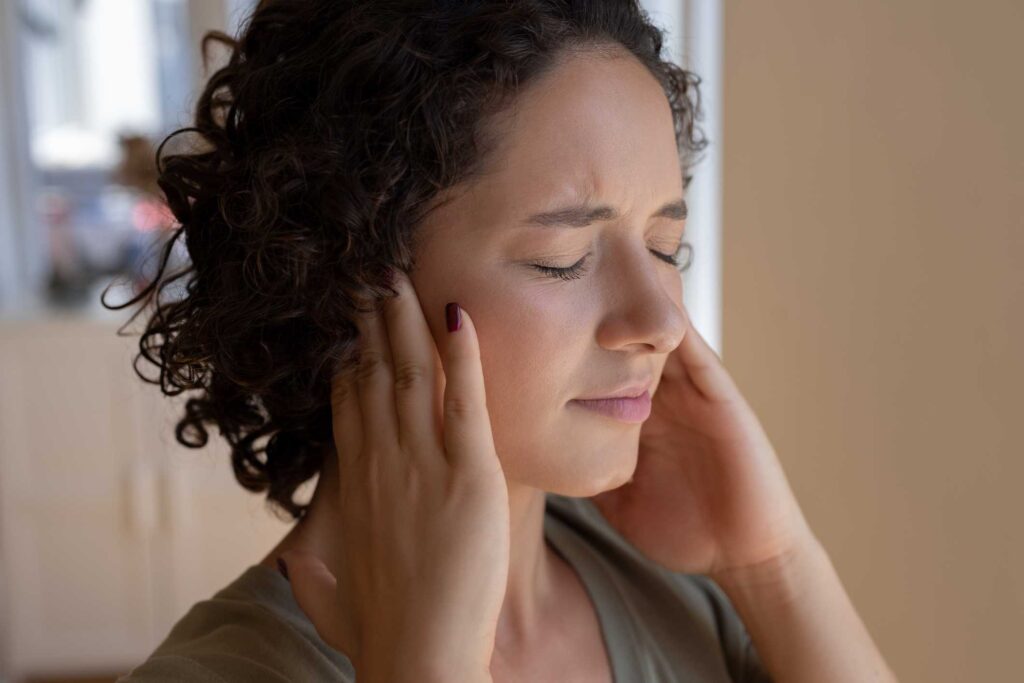
Why Does My Ear Hurt?
“Why does my ear hurt?” is one of the most common questions we hear, and the answer is rarely simple. The ear is closely connected to your jaw, sinuses, throat, and even your teeth, which means a problem in any of those areas can register as pain in the ear. However, there are a handful of causes that come up most frequently in adults:
- Ear Infections – Ear infections are often thought of as a childhood problem, but adults get them too. Outer ear infections, commonly called swimmer’s ear, develop when bacteria or fungi irritate the ear canal. Middle ear infections, while less common in adults, can follow upper respiratory illness and cause significant pressure and throbbing ear pain.
- Earwax Buildup – Earwax is another frequent culprit. When wax accumulates and hardens, it can press against the eardrum and create a sensation of fullness, muffled hearing, and a steady ache. Many patients leave our office with a simple wax removal and immediate relief.
- Eustachian Tube Dysfunction – This condition is particularly common among people who fly frequently, deal with seasonal allergies, or have a history of sinus issues. When the tube that connects your middle ear to the back of your throat doesn’t open and close properly, pressure builds and can cause pain, popping sensations, and a feeling that your ears won’t clear.
When the Pain Isn’t Coming From the Ear
Referred pain is one of the more surprising aspects of ear anatomy. Because the ear shares nerve pathways with several surrounding structures, pain originating elsewhere can be felt directly in the ear, making it easy to assume the ear is the problem. Referred pain can come from these locations:
- TMJ Disorders – The temporomandibular joint sits just in front of the ear canal, and when it’s inflamed or misaligned, the resulting pain can feel indistinguishable from an ear problem. Jaw tenderness, clicking, and discomfort when chewing often accompany this type of pain.
- Dental Issues – Dental problems, particularly problems with molars, can also send referred pain into the ear. Sinus infections follow a similar pattern, with pressure in the upper sinuses translating into aching in and around the ear.
- Problems in the Throat or Tonsils – This is less common, but problems in these areas can cause pain that radiates to the ear, which is why persistent ear pain without an obvious cause always warrants a closer look.
Recognizing Throbbing Ear Pain & When to Act
Not all ear pain carries the same urgency, but there are patterns worth paying attention to. Throbbing ear pain that intensifies over time, particularly when accompanied by fever, drainage from the ear canal, or sudden hearing changes, typically indicates infection that needs treatment. An untreated middle ear infection can lead to complications, including eardrum damage.
Severe pain in the ear that develops after a blow to the head, a sudden loud noise, or a significant change in air pressure, such as during air travel or scuba diving, may point to a ruptured eardrum. This kind of acute pain often comes with a sensation of pressure releasing, followed by some hearing loss. It usually warrants prompt evaluation.
Symptoms that indicate more urgent care include:
- High fever alongside ear pain
- Sudden drainage from the ear
- Significant hearing loss that develops quickly
- Stiff neck or severe dizziness accompanying ear pain
For pain that’s gradual, such as a dull ache, a sense of fullness, or mild throbbing ear pain that comes and goes, scheduling an appointment rather than waiting it out is the best approach, as identifying the cause early can prevent complications.
Schedule a Consultation for Ear Pain at Castle Rock Ear Associates
When you come in with ear pain, we will examine the ear canal, eardrum, and surrounding structures, and we will ask questions about your symptoms, medical history, and anything that might point toward a referred source. Severe pain in the ear is entirely treatable once the cause is identified. If ear discomfort isn’t resolving on its own, reach out to our team to schedule an evaluation. Getting the right diagnosis is the most direct path to feeling better.