
Daily Habits That Can Damage Your Hearing
Common Daily Habits That May Damage Your Hearing
You might associate hearing loss with aging or a single loud event. But for a significant portion of people who experience gradual hearing decline, the culprit is less dramatic. It’s the accumulation of everyday choices, repeated over months and years, that adds up. At Castle Rock Ear Associates, we want you to understand how lifestyle factors influence hearing so you can make informed decisions before permanent damage occurs.
How Sound Becomes Damage
Sound is measured in decibels, and the relationship between volume and hearing damage isn’t linear — it compounds. Understanding what decibel level damages hearing is useful context. Prolonged exposure to loud noise at or above 85 decibels is where risk begins. The louder the sound, the less time it takes to cause harm.
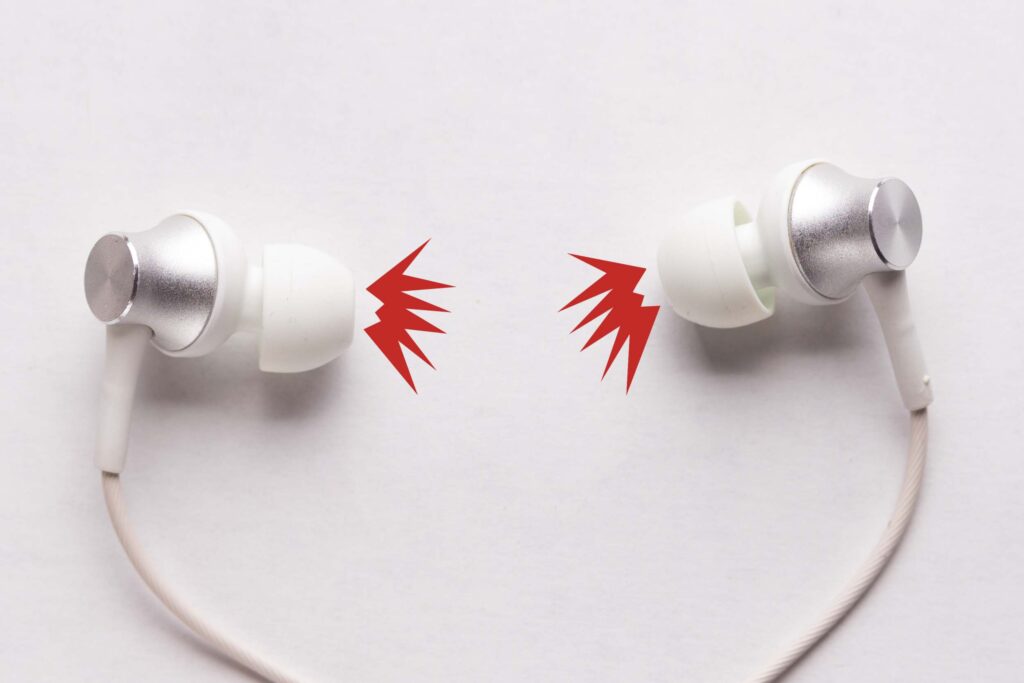
What makes this tricky is that many everyday sounds fall into or above that range. A blender runs between 80 and 90 decibels. A hair dryer can reach 95. Heavy traffic sits around 85. Music through earbuds or headphones can climb to 112 decibels at high volume. None of these feel as dramatic as standing next to a jet engine, but the ear doesn’t distinguish between a dramatic source and a routine one. Damage accumulates either way.
Everyday Habits Worth Reconsidering
Hearing loss builds over years of everyday exposure. Many of the habits most likely to cause long-term damage are activities that feel completely normal, so taking a closer look at your daily routine may reveal more risk than you’d expect:
- Volume at the Gym – Many people use music to push through workouts, and high-tempo playlists often come with high volume. Headphones deliver sound directly into the ear canal, which intensifies the effect. Listening at 80 percent volume or higher during a 45-minute run several times a week adds up to decibel exposure over time.
- Earbuds in Noisy Environments – Using earbuds in loud places like public transit, airports, or busy offices leads people to turn the volume up to hear over background noise. This layering effect means you’re often absorbing both the environmental noise and the sound from your device simultaneously.
- Power Tools and Yard Equipment – Lawn mowers, leaf blowers, and drills regularly reach 95 to 110 decibels. These are household staples that many people use without ear protection because they feel manageable. That perception doesn’t reflect what’s happening to the delicate hair cells inside the cochlea.
These habits alone may not seem significant, but hearing damage from noise is cumulative and irreversible. Once those cells are gone, they don’t grow back.
Lifestyle Factors That Influence Hearing Beyond Noise
Noise exposure gets most of the attention when it comes to hearing damage, but it isn’t the only way daily habits affect auditory health. Take a look at these lifestyle factors that can contribute:
- Smoking is one of the more overlooked contributors. The toxic compounds in cigarette smoke impair circulation to the inner ear and can degrade the structures responsible for processing sound over time. Research has also linked smoking to a higher incidence of tinnitus.
- Heavy alcohol consumption affects hearing in a different way. Acute episodes of excessive drinking can temporarily mute sound and cause ringing in the ears. With chronic use, those effects can become lasting.
- Cardiovascular health connects to hearing more directly than most people expect. The inner ear depends on strong blood flow. Conditions like high blood pressure, diabetes, and obesity reduce circulation to the cochlea and can accelerate hearing decline.
- Certain medications, including some diuretics, high-dose aspirin, and select antibiotics, can also be ototoxic, meaning they are toxic to the auditory system. If you’re taking medication regularly and have noticed changes in your hearing, that connection is worth discussing with a specialist.
Habits That Can Help Protect Your Hearing
Knowing what decibel damages hearing gives you a reference point, but putting that knowledge into daily practice is what actually preserves long-term function. The good news is that many of these risk factors are adjustable, and protecting hearing only requires building a few consistent habits. Consider the following:
- Use the 60/60 rule for personal listening: keep volume at or below 60 percent and limit continuous listening to 60 minutes before giving your ears a break.
- Wear hearing protection for any activity that generates sustained noise above 85 decibels. This includes yard work, concerts, sporting events, and power tool use.
- Get a baseline hearing evaluation, particularly if you have a history of significant noise exposure, cardiovascular risk factors, or are over 50.
Schedule a Hearing Evaluation at Castle Rock Ear Associates
If you’ve had significant noise exposure over the years, or if you’re simply unsure where your hearing stands, a professional evaluation is the most direct way to find out. Castle Rock Ear Associates offers comprehensive hearing assessments and can help you understand how your lifestyle factors may be influencing your hearing health now and down the road. Request an appointment today to schedule your evaluation.